Products
 Blog
Blog
In March 2026, UKHSA confirmed 13 cases of invasive meningococcal disease in Kent, including two tragic deaths linked to the University of Kent area. Parents, students and households across the UK are understandably concerned. The good news? The bacteria that cause meningitis do not survive long on surfaces and are easily destroyed with the right cleaning routine.
Here’s your complete, up-to-date guide to stopping the spread at home – exactly what professional cleaners and infection-control teams use.
What Is Meningitis?
Meningitis is inflammation of the protective membranes covering the brain and spinal cord. It can be caused by bacteria (most serious), viruses or, rarely, fungi. Bacterial strains such as meningococcal B are behind the current Kent cluster.
Recognise the Symptoms Fast
Act immediately if you or a loved one develops:
- High fever with cold hands and feet
- Severe headache
- Stiff neck
- Sensitivity to bright light
- Vomiting or diarrhoea
- Unusual drowsiness or confusion
- A non-blanching rash (press a glass against it – if it stays red/purple, seek emergency help)
How Meningitis Spreads – And Why Cleaning Works
The bacteria travel in droplets from coughing, sneezing or close contact. Once outside the body they survive only briefly on surfaces. Thorough cleaning + disinfection breaks the chain completely. NHS and UKHSA guidance is clear: routine detergent cleaning followed by a proven disinfectant removes the risk.
Step-by-Step Cleaning & Disinfection Protocol (2026 Updated)
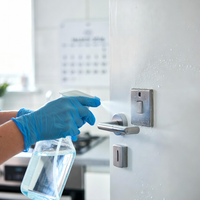
Follow this exact sequence for high-touch areas (door handles, light switches, bathroom surfaces, kitchen benches, shared phones, student desks):
- Pre-clean – Remove visible dirt with warm water + detergent.
- Disinfect – Use a chlorine solution at 1,000 ppm available chlorine (1 Evans Chlor Tab in 1 litre of water). Leave wet for 5–10 minutes.
- Rinse – Wipe with clean water to remove any residue.
- Dry – Use a fresh disposable cloth or let air-dry.
Bedding & clothing
Machine-wash on a 60°C cycle with regular detergent. For non-washable items, steam clean or use a disinfectant spray tested to EN 13727 / EN 14561 standards.
Recommended Professional-Grade Products
We stock the exact products used by hospitals and care homes:
- Evans Chlor Tabs – Fast-dissolving, precise 1,000 ppm chlorine every time.
Buy Evans Chlor Tabs (200 tabs) here - Safe Zone Plus 750ml – Broad-spectrum, low-odour alternative. Independently tested to EN 13727, EN 13624, EN 14561, EN 14562 and EN 14348. Ideal for homes with children or asthma.
Buy Safe Zone Plus 750ml here - Safe Zone Plus 5 Litre – Same powerful formula in economical bulk size for larger households or frequent use.
Buy Safe Zone Plus 5 Litre here
Quick Comparison
| Product | Best For | Contact Time | Rinse Required | Child-Friendly |
|---|---|---|---|---|
| Evans Chlor Tabs | Heavy contamination | 5–10 min | Yes | After rinsing |
| Safe Zone Plus | Everyday & sensitive areas | 5 min | No | Yes |
Extra Prevention Layers That Actually Work
- Hand hygiene: Wash with soap for 20 seconds or use 70%+ alcohol gel.
- No sharing: Drinks, cutlery, towels or make-up.
- Ventilation: Open windows daily.
- Vaccines: Check with your GP – MenB, MenACWY and MMR are available on the NHS.
FAQ
Q: Can I use household bleach instead of Evans Chlor Tabs?
A: Only if you achieve exactly 1,000 ppm and rinse thoroughly. Pre-measured tablets are far safer.
Q: How often should I disinfect during an outbreak?
A: Daily on high-touch surfaces; twice daily if someone in the house is unwell.
Useful Official Links
Stay safe – simple, consistent cleaning saves lives.